 BasaLoka
Things Around Us refers to objects that we can see and find in our daily environment. These objects can be natural, such as trees, or man-made, such as buildings and tools. Learning about things around us helps students identify and name objects in English, Indonesian, and Balinese.
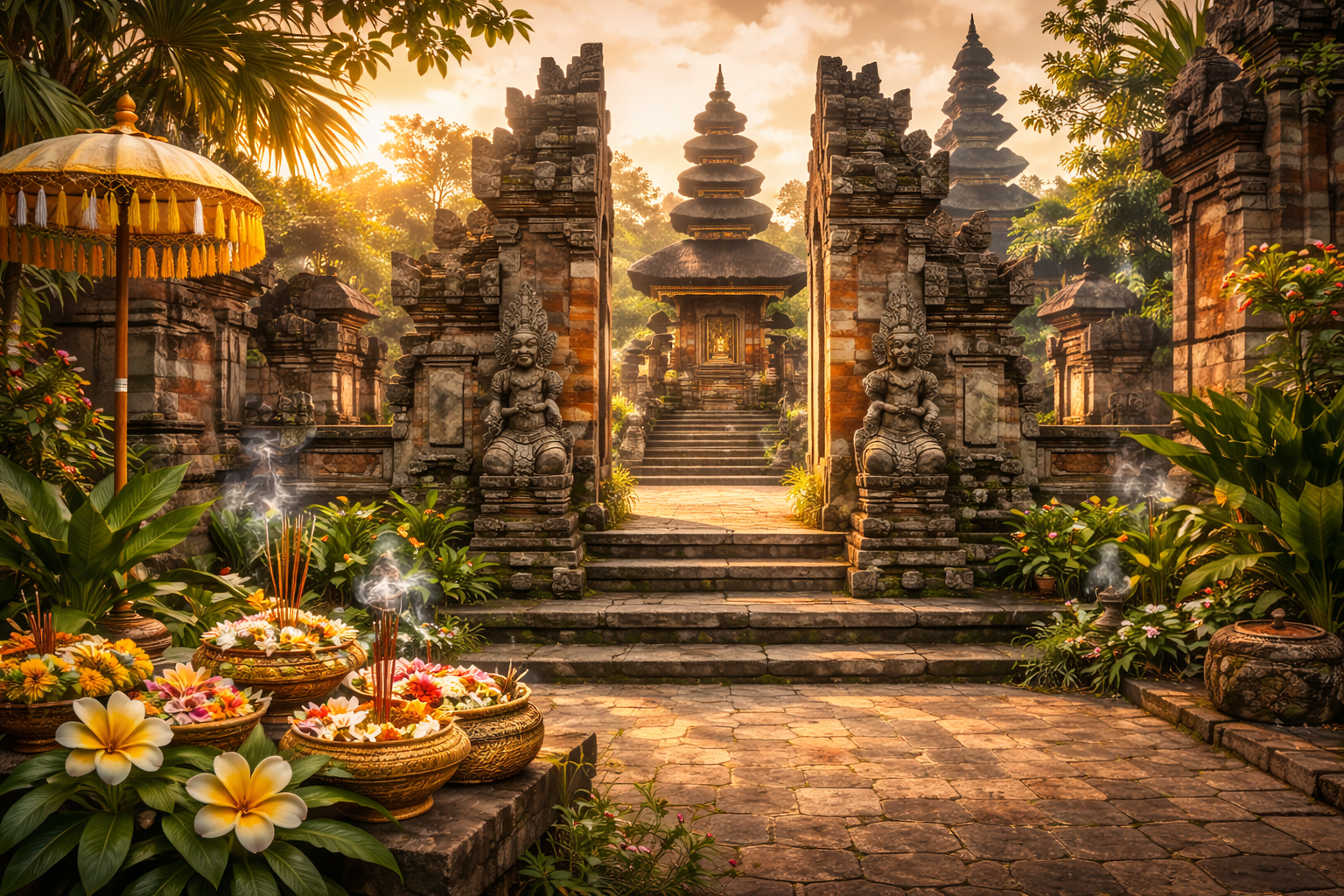
ID: Pura
Bali: Pura/Sanggah/Merajan
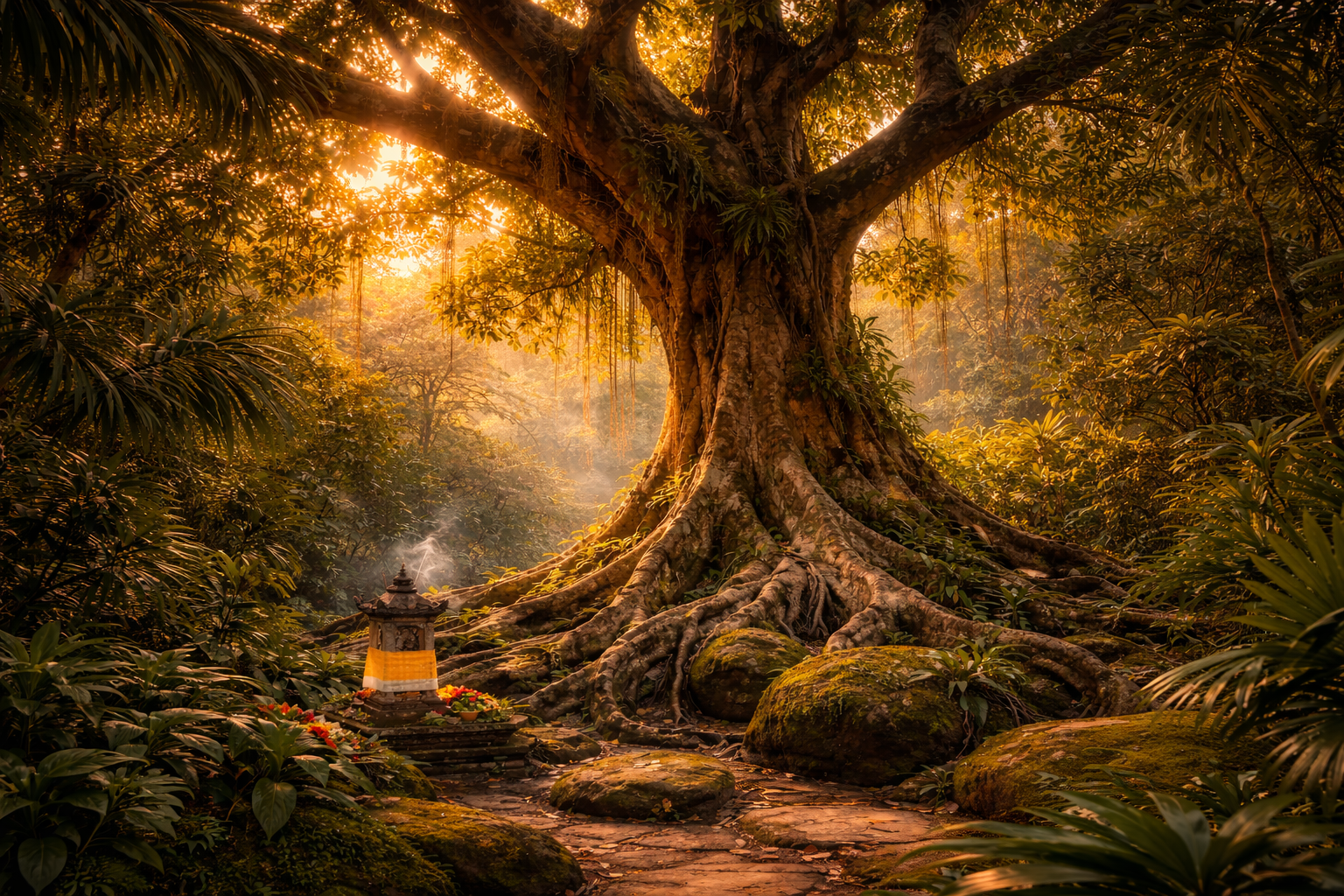
ID: Pohon
Bali: Punyan
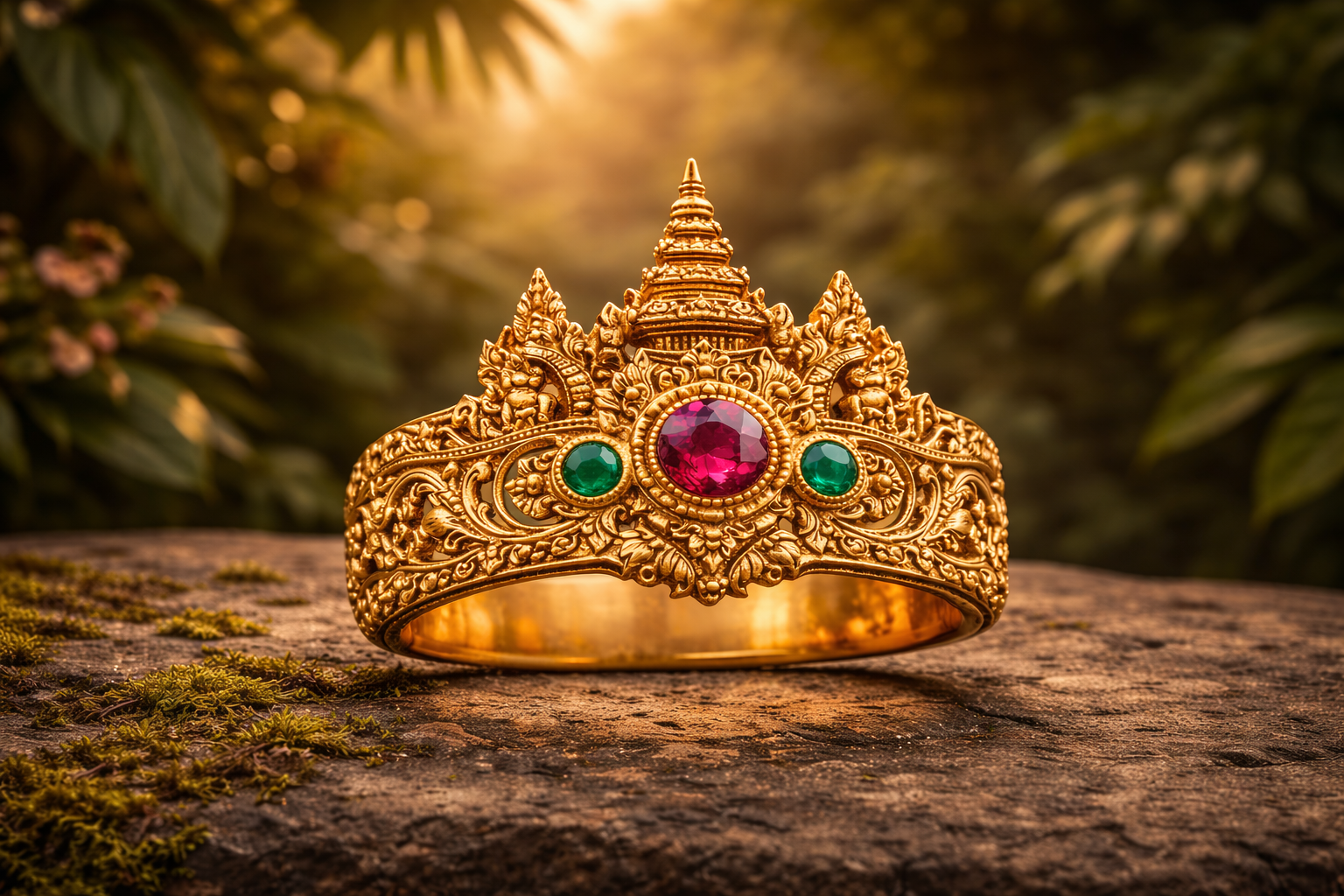
ID: Cincin
Bali: Bungkung
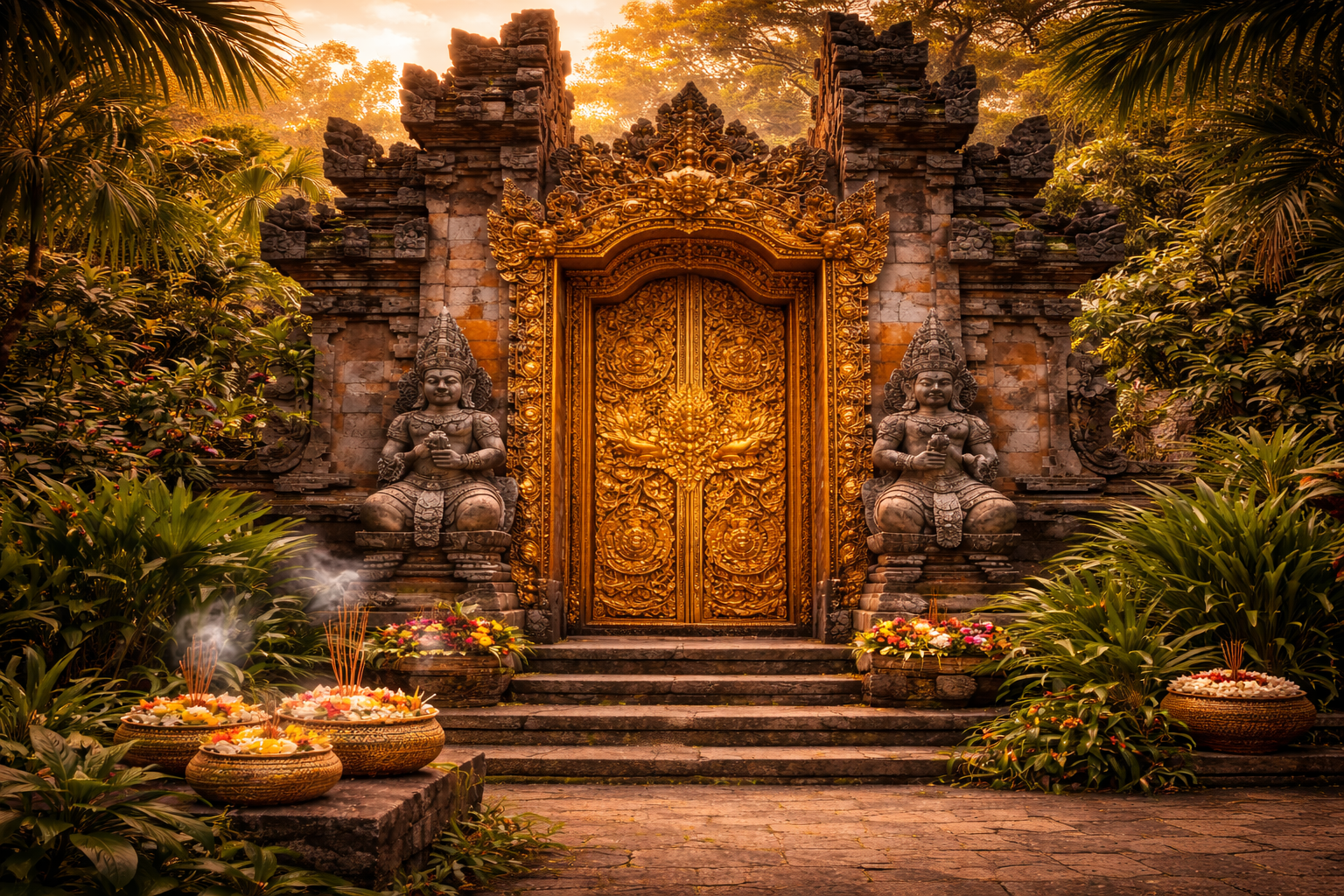
ID: Pintu
Bali: Lawangan
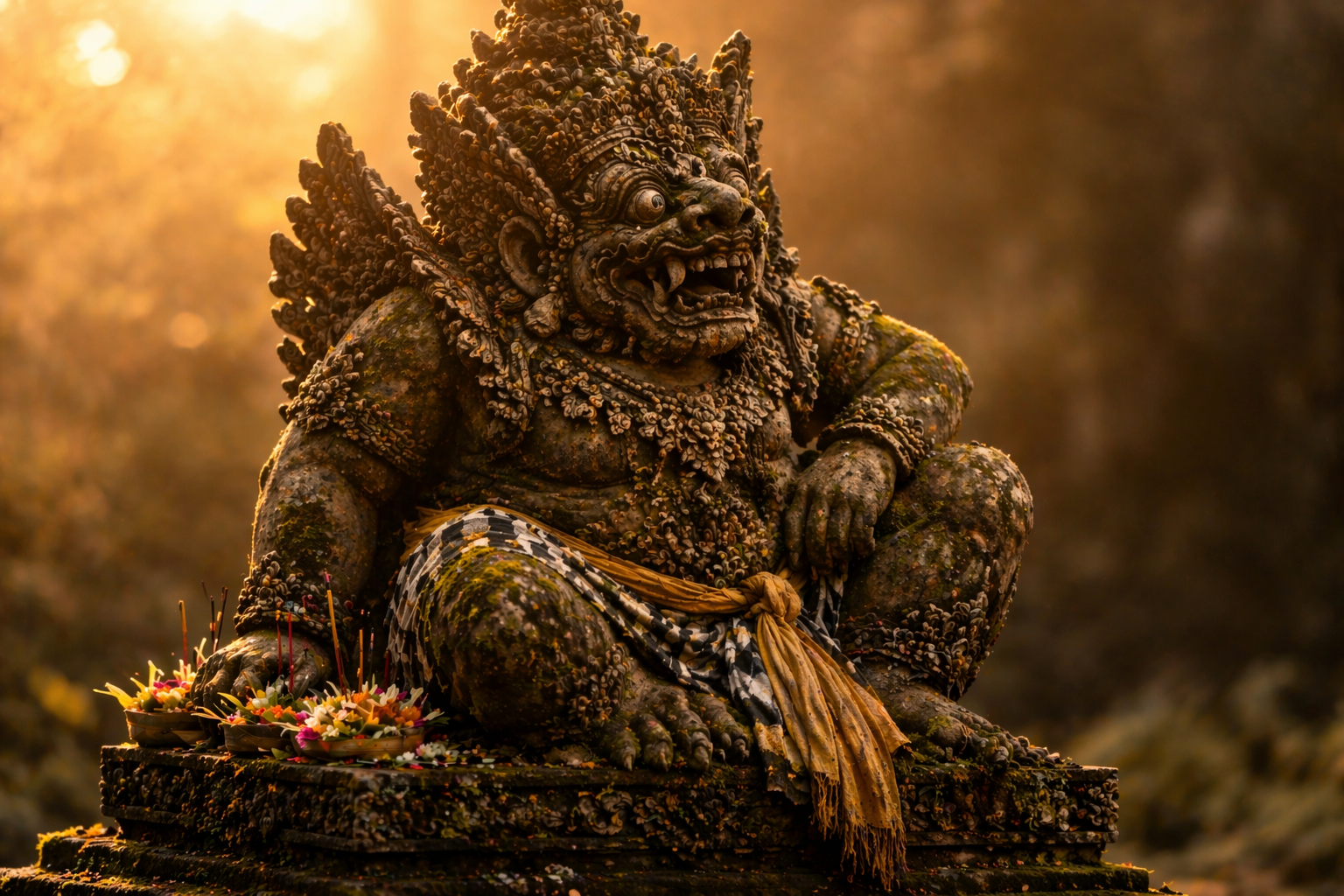
ID: Patung
Bali: Togog
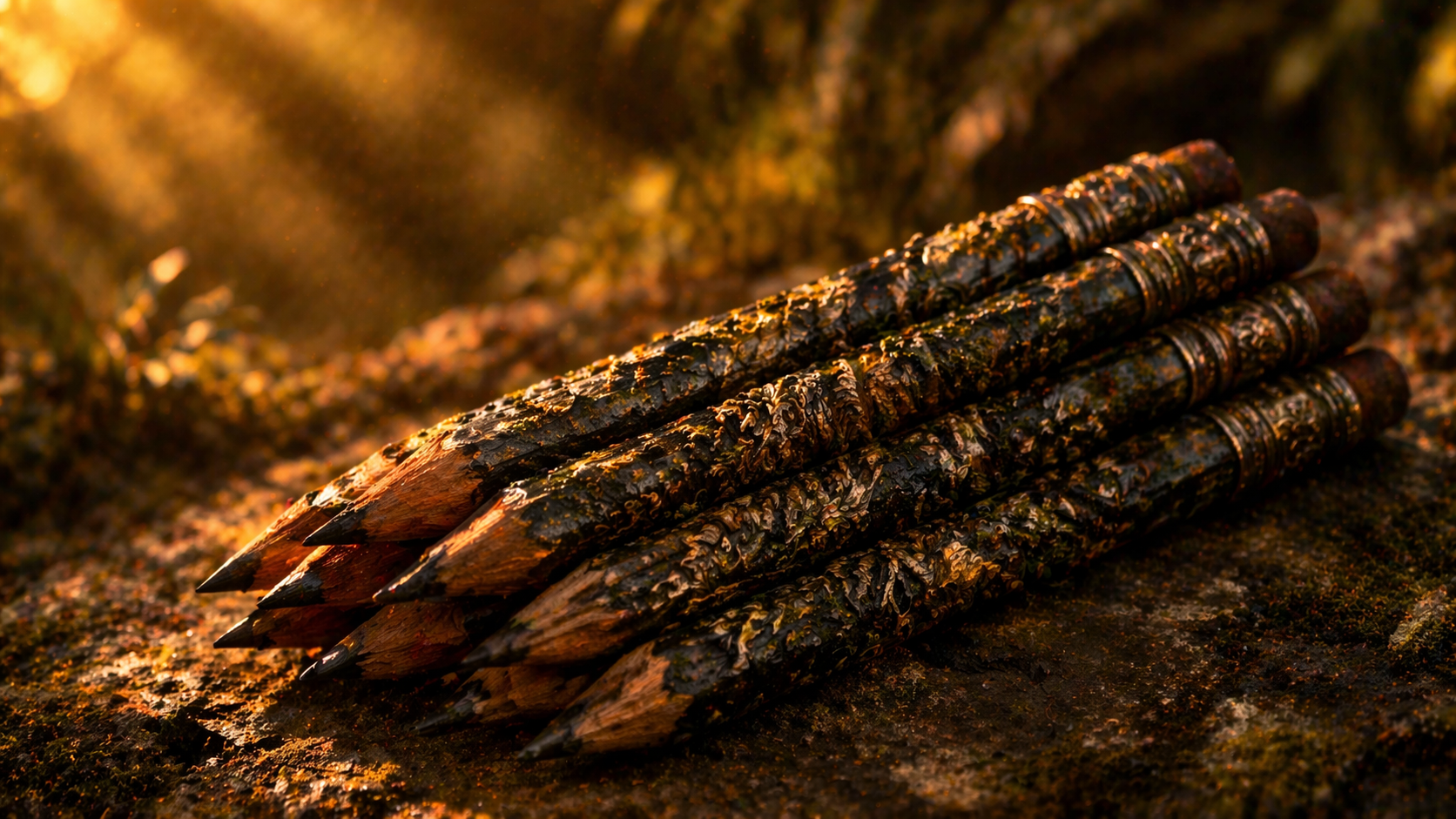
ID: Pensil
Bali: Potlot
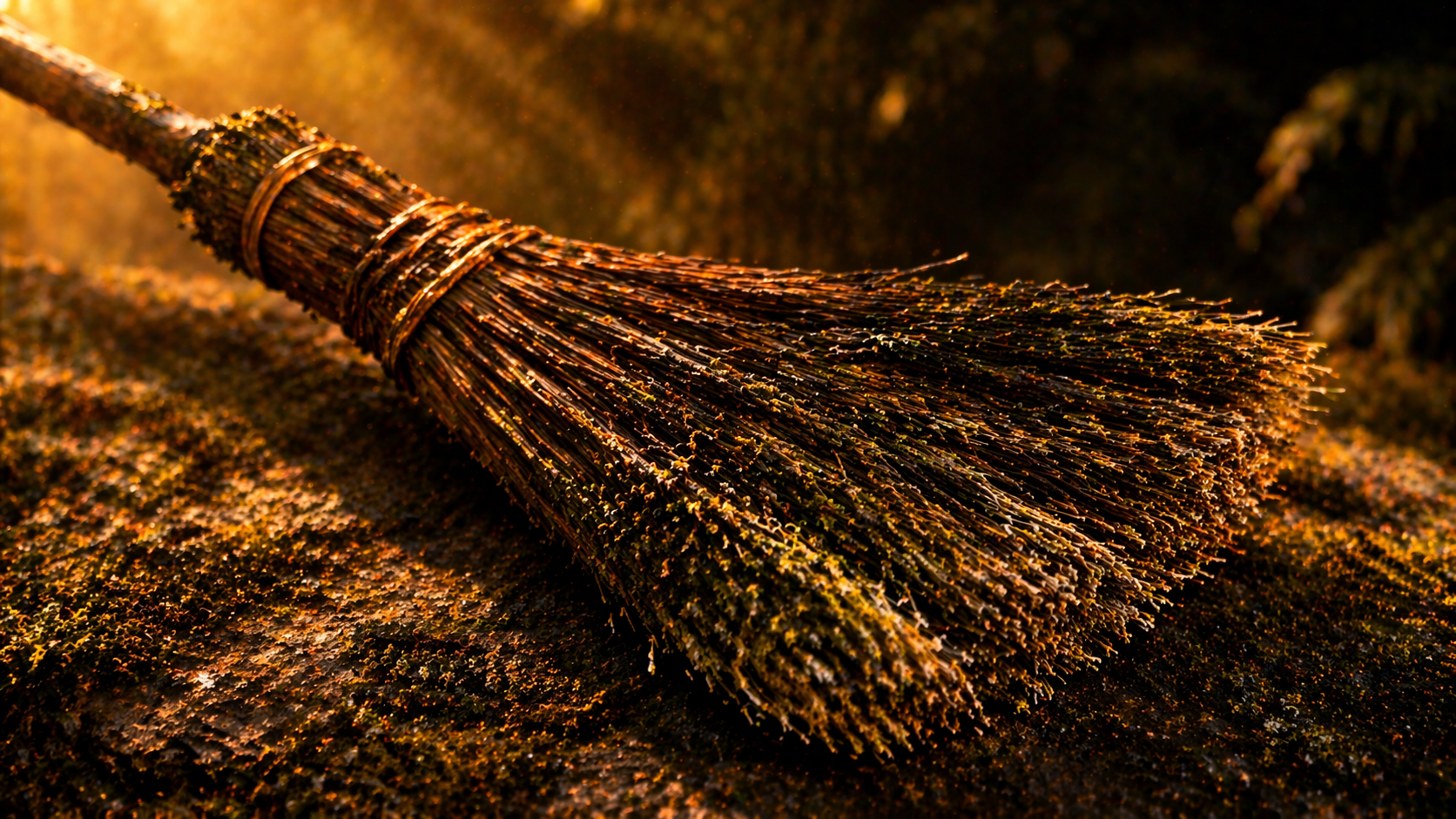
ID: Sapu
Bali: Sampat
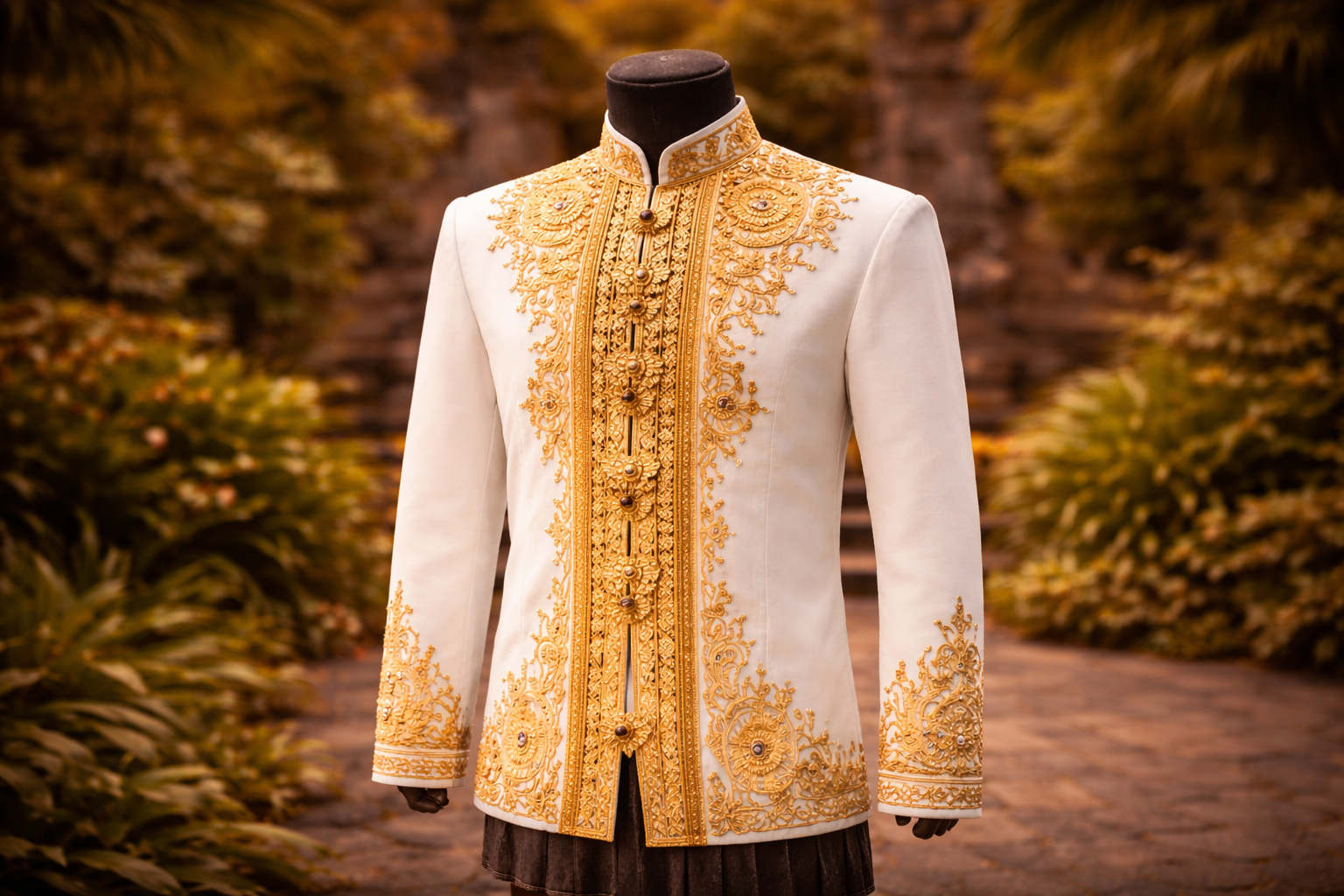
ID: Baju
Bali: Kuaca
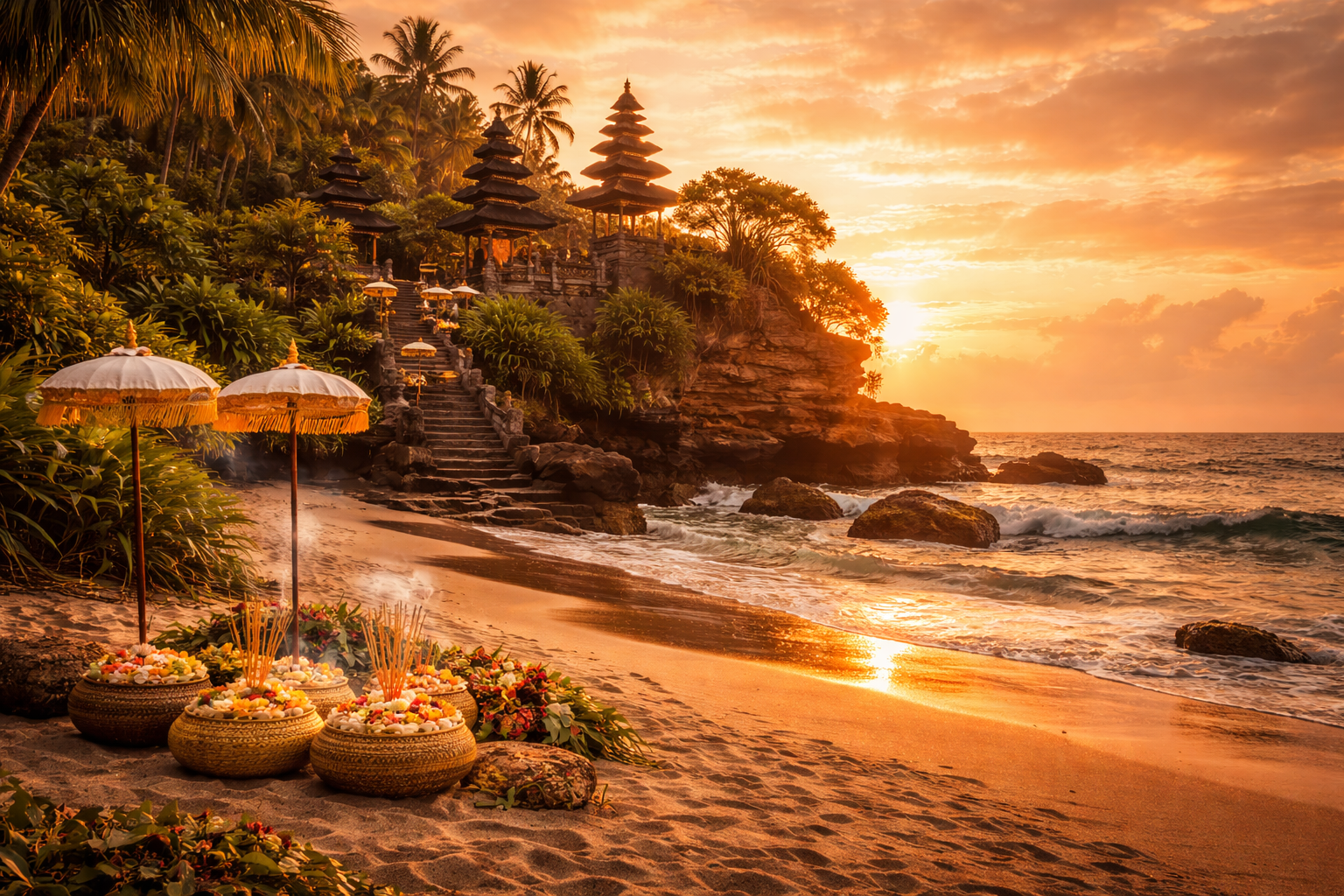
ID: Pantai
Bali: Pasih/Segara
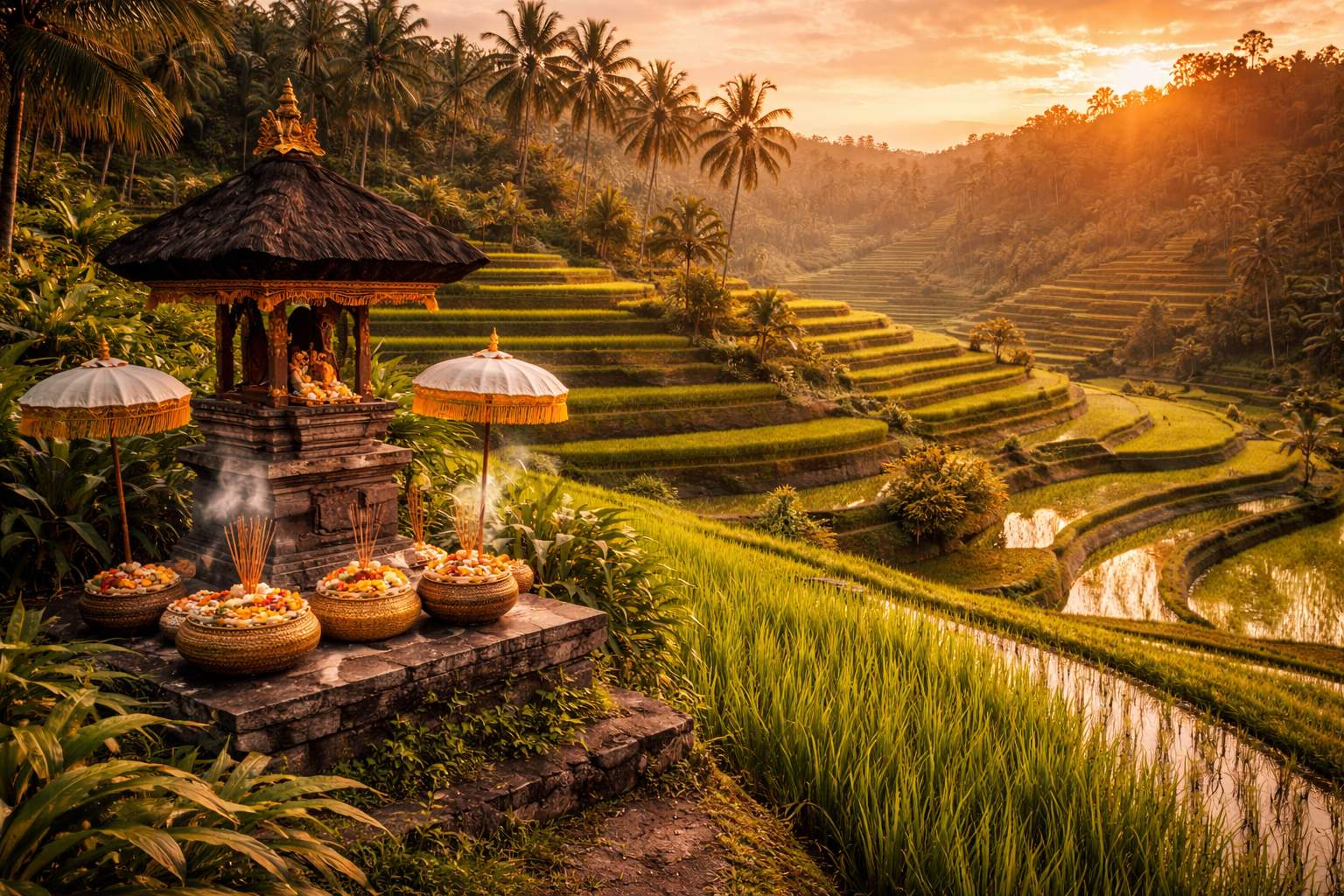
ID: Sawah
Bali: Carik/Uma
Describing is the way we explain or give more information about something. We use descriptive words (adjectives) such as big, small, hot, or happy to tell the characteristics of objects, people, or places. This helps us communicate more clearly and express ideas better.
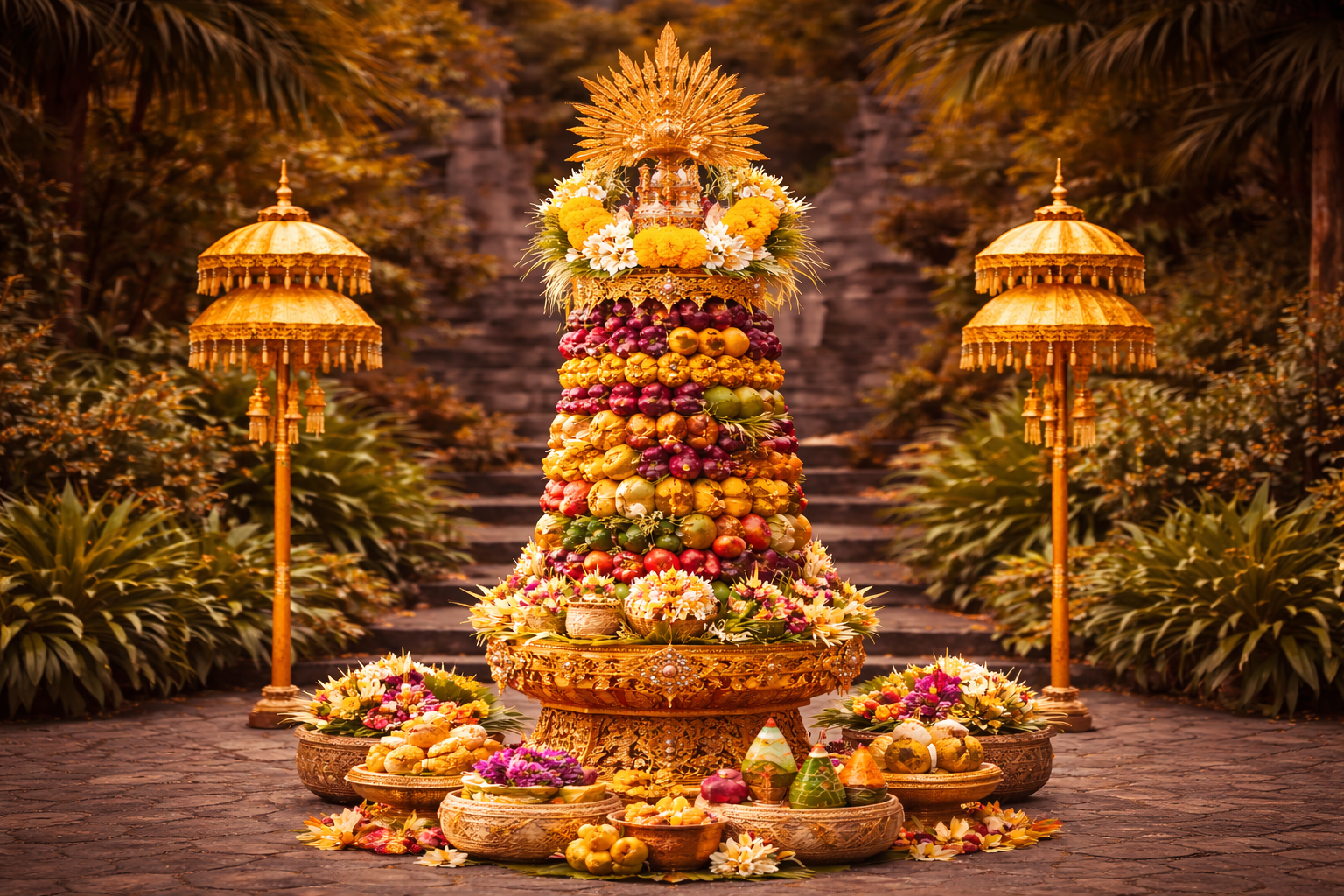
ID: Besar
Bali: Gede/Ageng
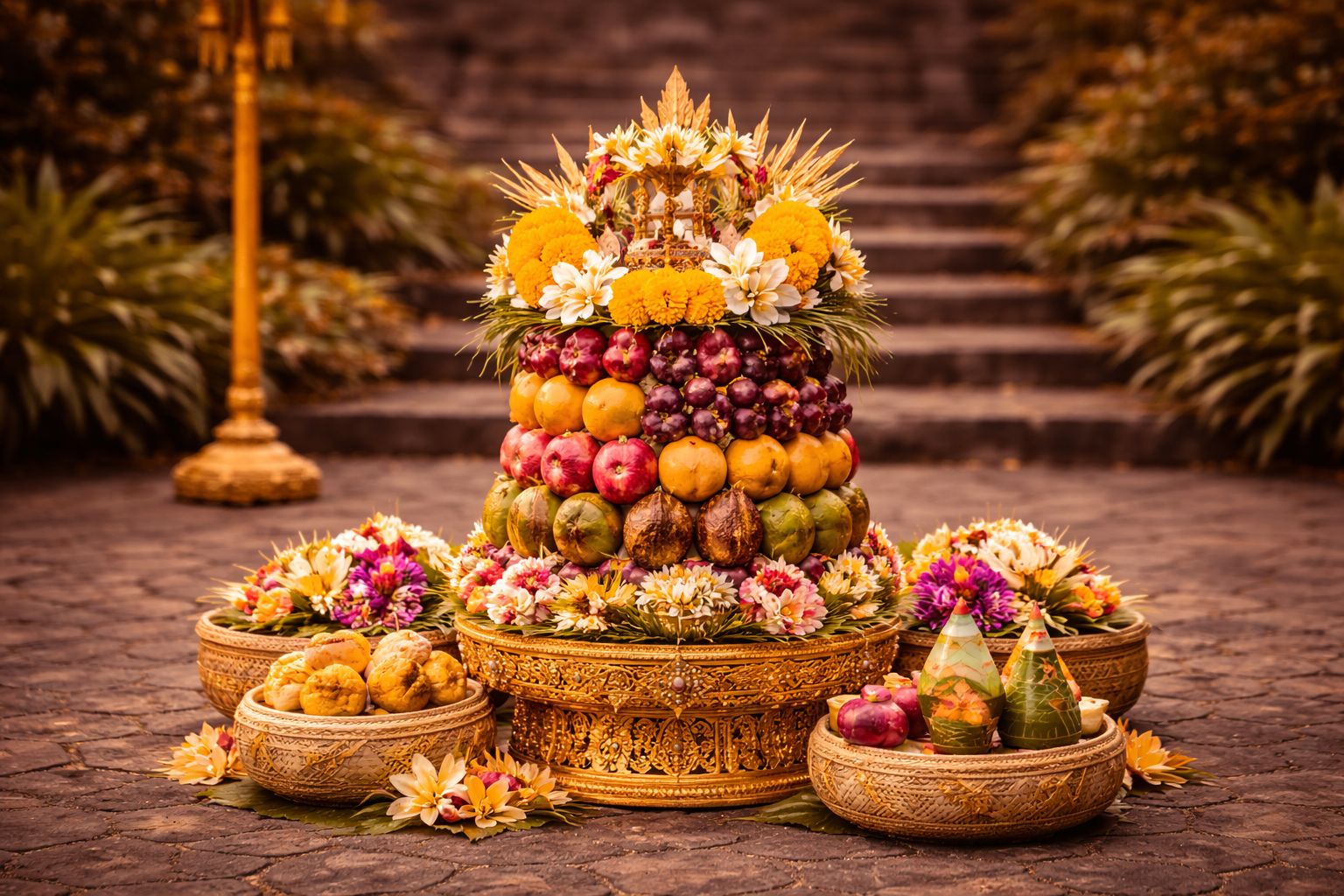
ID: Kecil
Bali: Cenik/Alit

ID: Senang
Bali: Liang

ID: Sedih
Bali: Sebet
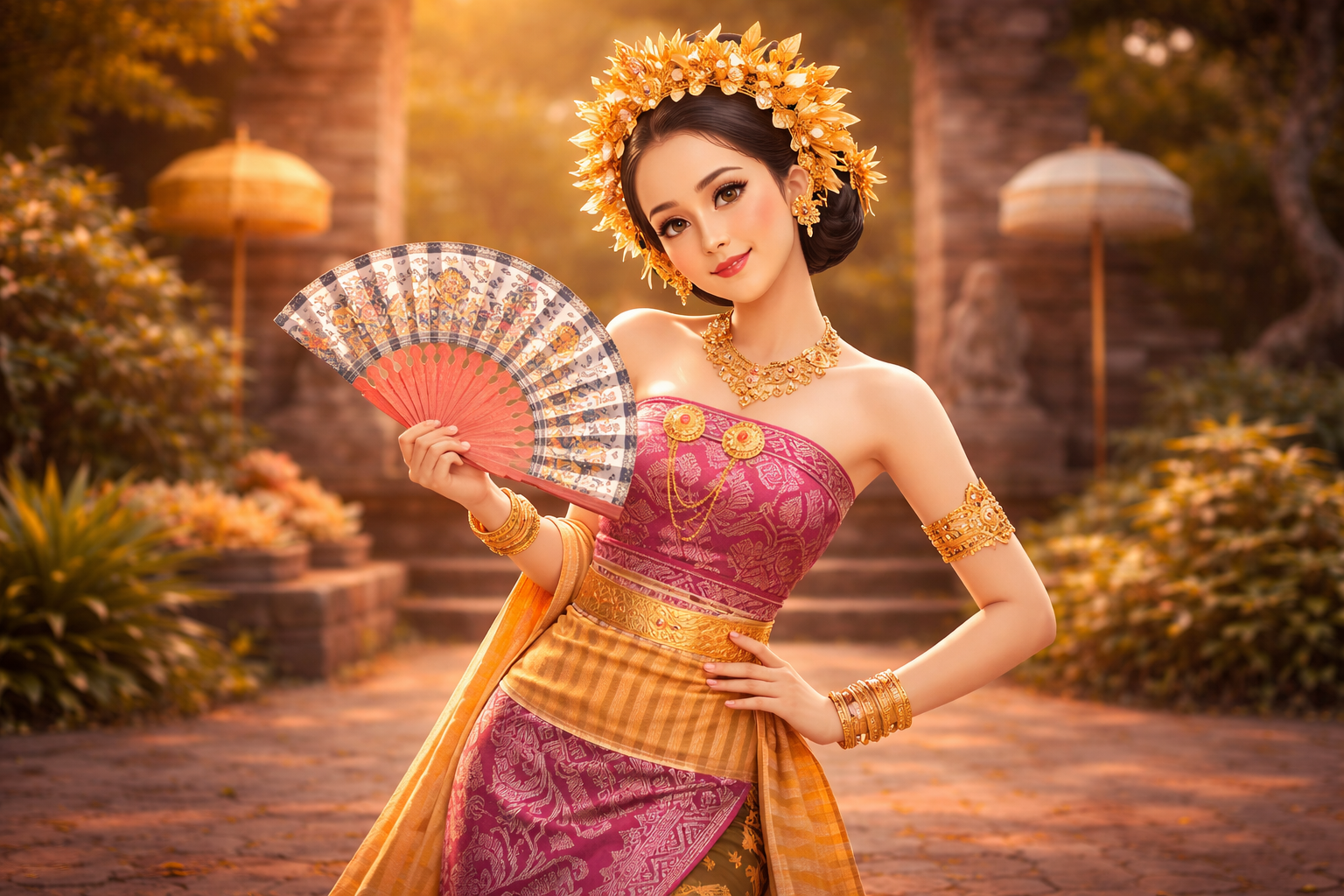
ID: Cantik
Bali: Jegeg

ID: Ganteng
Bali: Bagus
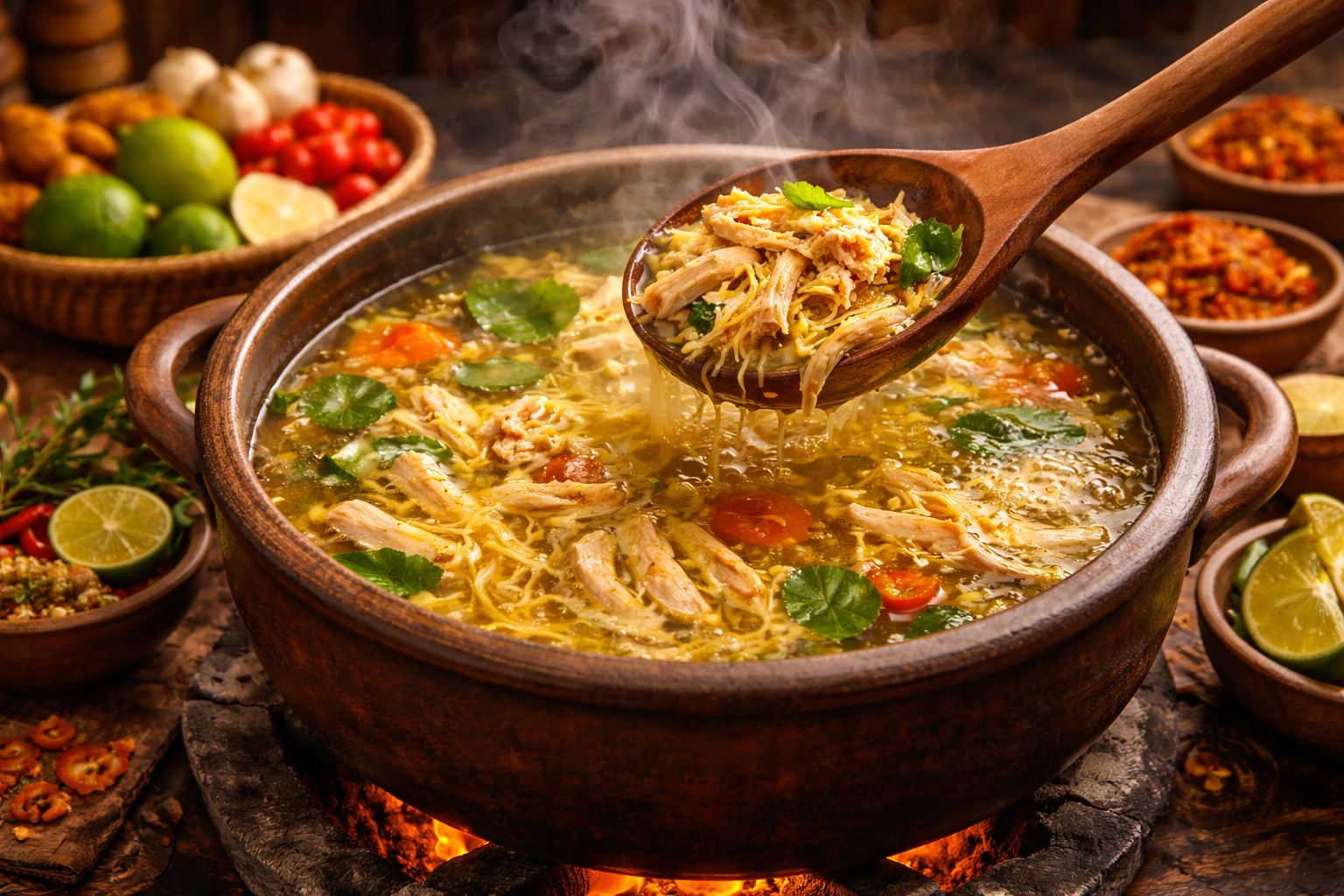
ID: Panas
Bali: Kebus
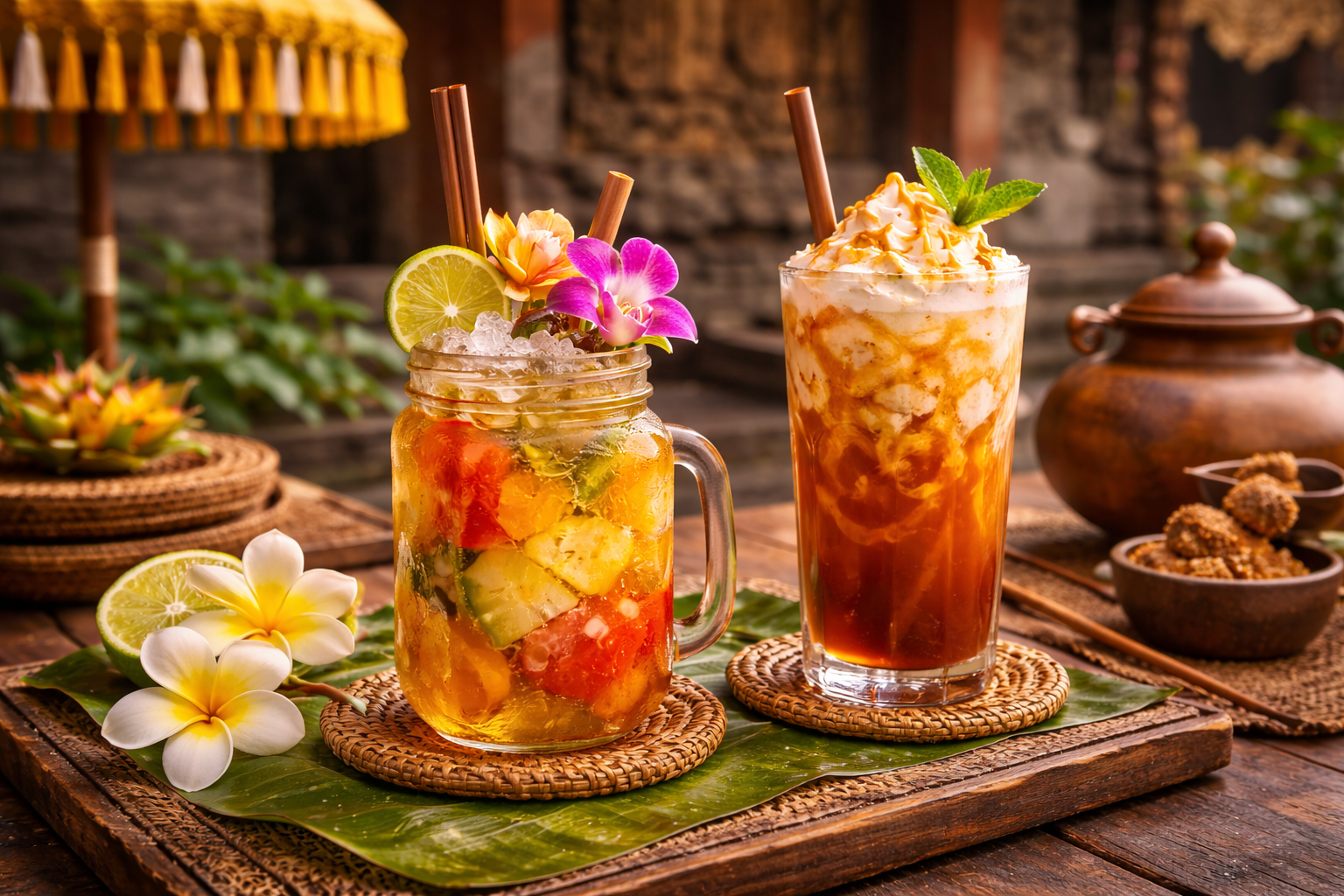
ID: Dingin
Bali: Nyem/Tis

ID: Panjang
Bali: Lantang

ID: Pendek
Bali: Bawak
Example:
"This is a temple. The temple is big."
"This is a beach. The beach is beautiful."
You can describe things like pura, pantai, dan sawah.
Use adjectives:
"The tree is tall"
"The rice field is green"
"The water is cold"
This is + object
The object is + adjective
Example:
"This is a statue. The statue is big."
In Balinese language, there are different levels of speech used to show respect and social status. These levels are important in daily communication in Balinese culture.
This is the highest and most polite level of Balinese language. It is used when speaking to respected people such as priests, elders, or in formal situations.
This is a middle level of politeness. It is commonly used in daily conversations with people we respect but are familiar with.
This level is used to humble oneself or when talking about oneself. It shows modesty and respect in conversation.